
How Long Does a Home Inspection Take?
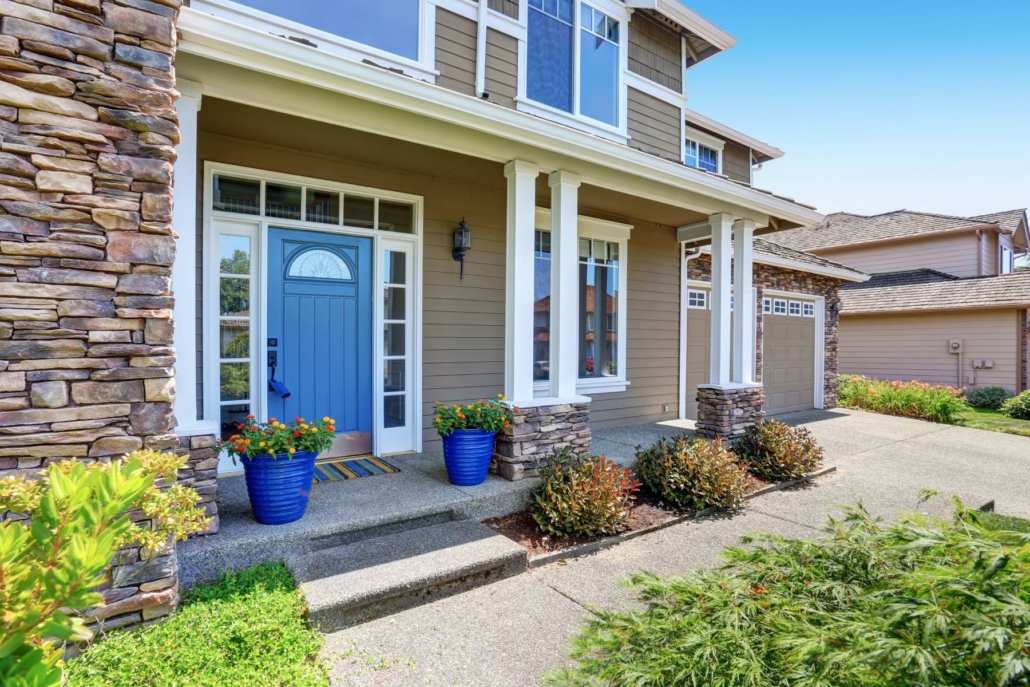
If you are trying to line up showings, financing, moving dates, and closing deadlines, one practical question comes up fast: how long does a home inspection take? Most standard home inspections take about 2 to 4 hours on site, but that is only the short answer. The real timeline depends on the size of the property, its age and condition, and whether you add services like radon testing.
For buyers and sellers in Southern Illinois, timing matters because inspections sit right in the middle of important decisions. You want the process to move quickly, but you also want it done thoroughly. A rushed inspection may miss the kind of problems that become expensive after closing.
How long does a home inspection take on average?
For a typical single-family home, expect the inspection itself to last around 2 to 4 hours. Smaller homes or newer properties may fall closer to the lower end of that range. Larger, older, or more complex homes often take longer.
A condo may take less time, especially if many exterior elements are maintained by an association. A large two-story home with an attic, crawl space, detached garage, older mechanical systems, and signs of deferred maintenance can easily take 4 hours or more.
That on-site time is only part of the process. After the walkthrough, the inspector still needs to organize notes, review photos, and prepare a clear report. In many cases, buyers receive the report later the same day or within 24 hours, depending on the inspection company and the scope of services.
What affects how long a home inspection takes?
Square footage is the most obvious factor, but it is not the only one. Two homes with the same size can have very different inspection times.
Size and layout
A 1,200-square-foot ranch is usually faster to inspect than a 3,000-square-foot home with multiple HVAC systems, extra bathrooms, and several attic access points. The more areas and systems the inspector needs to evaluate, the more time the job takes.
Layout matters too. Homes with additions, bonus rooms, detached structures, finished basements, or hard-to-access mechanical areas usually require more time than a straightforward floor plan.
Age of the home
Older homes often need a slower, more careful inspection. That does not mean older homes are automatically poor investments. It simply means they tend to have more layers of history – older wiring, aging plumbing, past repairs, and signs of wear that deserve a closer look.
Newer homes can still have defects, but they usually have fewer years of use and fewer changes made by different owners.
Condition and maintenance
A clean, well-maintained property is often easier to inspect efficiently. When systems are accessible and the home has been cared for, the process tends to move more smoothly.
If the inspector finds signs of water intrusion, structural movement, electrical concerns, or HVAC issues, more time may be needed to document those findings properly. That extra time is not a delay. It is part of doing the job right.
Accessibility
Inspection time can increase when important areas are hard to reach. Locked utility rooms, blocked attic hatches, tight crawl spaces, overgrown exterior areas, or stored belongings stacked around panels and equipment all slow the process down.
This is one reason sellers are often encouraged to make key areas easy to access before inspection day. Good access helps the inspector work efficiently and helps the client get a more complete evaluation.
Add-on services
Additional services can change the timeline. Radon testing, for example, does not always add much to the time spent walking the property, but it does add a separate testing window. Other ancillary services may also require extra setup, equipment, or reporting.
If you are scheduling multiple services at once, ask for a realistic timeline upfront so you know what to expect.
What happens during those 2 to 4 hours?
A home inspection is not just a quick walk-through. A thorough inspector is evaluating major systems and visible components throughout the property, looking for defects, safety concerns, and signs that repairs may be needed.
That typically includes the roof, exterior, structure, grading and drainage, attic, insulation, plumbing, electrical, heating and cooling systems, walls, ceilings, floors, windows, doors, and built-in appliances. The inspector is also taking photos, testing accessible systems, and documenting findings in a way that will make sense later when you are reviewing the report.
That is why speed should not be the main goal. A shorter inspection is not automatically a better one. If a company promises to get through a large or older house unusually fast, it is fair to ask how thorough that process really is.
Should buyers attend the inspection?
In many cases, yes. If your schedule allows, attending at least the final portion of the inspection can be helpful. You can see important issues firsthand, ask questions, and better understand which findings are routine maintenance items and which ones deserve immediate attention.
That said, not every buyer can attend. Out-of-state buyers, busy professionals, and clients coordinating around work or travel often rely on digital reports, photos, and follow-up communication. A good inspection process should still work well even if you are not on site.
For many clients, the real value is not just the time spent at the house. It is the clarity that comes afterward.
How long does a home inspection take for older or larger homes?
This is where the simple 2-to-4-hour estimate starts to stretch. A larger home with multiple HVAC units, an older roof, a crawl space, detached buildings, or signs of deferred maintenance may take 4 to 6 hours or more.
Historic or heavily remodeled homes can also require extra care. Different generations of repairs and upgrades do not always work together cleanly. An inspector may need more time to trace materials, document inconsistencies, and explain what appears functional versus what raises concern.
For buyers, that extra time is usually worth it. When a property is more complex, a fast inspection can leave too many unanswered questions.
Why the report timeline matters too
People often focus only on the appointment itself, but the report is what supports your next decision. A strong report should be easy to read, photo-rich, and specific enough to help you understand condition, prioritize repairs, and discuss next steps with your agent.
That takes time to prepare well. An inspector who moves carefully through the property and then delivers a clear, organized report is providing much more value than someone who rushes through the house and leaves you with vague notes.
At Miller Home Inspection, that balance matters – thorough on site, clear in the report, and responsive when clients have questions afterward.
How to keep the inspection on schedule
Buyers do not control every part of the process, but sellers and agents can make inspection day run more smoothly. Utilities should be on, access points should be clear, pets should be secured, and keys or codes should be ready if needed.
If the home has a crawl space, attic access, electrical panel, furnace, water heater, or outbuildings, those areas should not be blocked by storage. Even simple delays at the start of the appointment can cut into valuable inspection time.
For buyers, it also helps to ask upfront whether ancillary services are being scheduled at the same time and when the final report will be delivered. Clear expectations reduce stress for everyone.
Is a longer inspection better?
Not always, but a very short one can be a red flag. Inspection length should match the home. A skilled inspector works efficiently, but efficiency is different from rushing.
The goal is not to keep you at the property all day. The goal is to inspect the home carefully enough that you can move forward with real information. Sometimes that takes 2 hours. Sometimes it takes more.
What matters most is whether the inspector is detailed, candid, and clear about what they found.
When you are buying a home, a few extra minutes or even an extra hour during the inspection is minor compared to the cost of discovering a major issue after closing. A good inspection respects your timeline without treating the property like an assembly-line job.
If you are scheduling an inspection, the best expectation is simple: plan for about 2 to 4 hours for most homes, allow more time for larger or older properties, and make room for a quality report afterward. The right inspection does not just fit your calendar – it helps you make a better decision when it counts.


Leave a Reply
Want to join the discussion?Feel free to contribute!