
Termite Inspection Before Buying a House
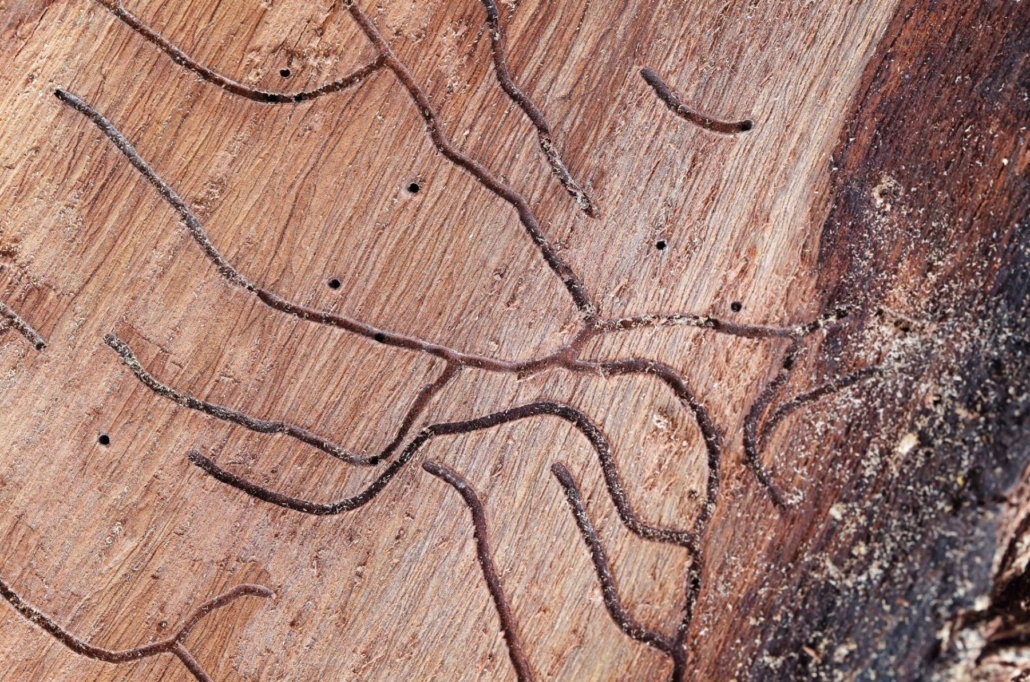
A house can look solid at showing time and still have serious wood-destroying insect damage tucked behind drywall, under flooring, or in a crawl space. That is why a termite inspection before buying house property is not a small checkbox. It is part of real due diligence, especially when you are about to make one of the largest purchases of your life.
Buyers often assume the general home inspection will catch everything that matters. Sometimes signs of termites are visible during a standard inspection, but a dedicated termite inspection serves a different purpose. It focuses specifically on evidence of infestation, past treatment, damage patterns, and conditions that make future activity more likely. If termites are active or damage is extensive, the cost can move from inconvenient to substantial very quickly.
Why a termite inspection before buying house matters
Termites are expensive because they do their work quietly. Unlike a roof leak or a broken furnace, they rarely announce themselves in a way a buyer can easily spot during a walkthrough. By the time you see sagging trim, hollow wood, blistered paint, or a sticking door frame, the activity may have been there for quite a while.
That matters for two reasons. First, there is the repair itself. Damaged framing, subfloors, sill plates, trim, or support members can require anything from localized repair to major reconstruction. Second, there is the uncertainty. A home with termite history is not always a bad purchase, but you need to know whether the issue was treated properly, whether damage was repaired correctly, and whether conditions still exist that invite another infestation.
In Southern Illinois, moisture conditions around foundations and crawl spaces can increase the risk of wood-destroying insects. Homes with older construction, heavy landscaping near the structure, wood-to-soil contact, or poor drainage deserve especially close attention.
What a termite inspection looks for
A termite inspection is less about guesswork and more about patterns. The inspector looks for visible evidence of current or past activity, including mud tubes, damaged wood, frass depending on the insect involved, moisture-related conditions, and areas where wood is in direct contact with soil.
The inspector is also paying attention to the structure itself. Crawl spaces, basements, garages, foundation walls, window and door trim, porches, and attic framing can all offer clues. Sometimes the key finding is not a live colony but the environment that makes one more likely, such as excessive moisture, blocked ventilation, plumbing leaks, or mulch and debris packed too tightly against the house.
If there has been previous treatment, documentation matters. A clean-looking area does not tell the whole story. Buyers should want to know when treatment occurred, what method was used, whether there is a transferable warranty, and whether damaged materials were repaired or simply covered over.
A home inspection and termite inspection are not the same thing
This is where buyers can get tripped up. A general home inspection is broad. It evaluates major systems and components such as roofing, structure, electrical, plumbing, HVAC, insulation, and more. That inspection may note signs consistent with wood-destroying insect damage if visible and accessible.
A termite inspection is narrower and more specialized. It is designed to identify evidence tied specifically to termites or other wood-destroying organisms. Depending on the property and transaction, you may need both. In many cases, that is the smart move. The general inspection helps you understand the home as a whole. The termite inspection helps answer a very specific risk question that can carry major repair costs.
For buyers, the right approach usually depends on the home’s age, construction type, visible moisture concerns, and local market expectations. If the house has a crawl space, older wood framing, previous pest treatment tags, or any visible signs of suspicious damage, skipping a termite inspection is a gamble.
What happens if termites are found
Finding termites does not automatically mean you should walk away. It means you need better information before moving forward. There is a big difference between a minor, treatable issue with limited damage and a long-term infestation that has weakened structural components.
The next step is usually to clarify three things: whether activity is current, how extensive the damage appears to be, and what treatment or repair will be needed. This is where buyers benefit from clear documentation and practical guidance. You do not just need a label on the problem. You need to understand the likely cost, the urgency, and whether the issue changes the value of the deal.
Sometimes the solution is straightforward. The seller agrees to treatment, damaged materials are repaired, and the transaction continues with the right paperwork in place. Other times, the findings open larger questions about deferred maintenance, hidden structural concerns, or whether other parts of the home have been overlooked as well.
Red flags buyers should not ignore
A few warning signs deserve more attention than buyers often give them. Fresh paint over damaged trim is not proof of anything by itself, but it can hide soft wood or prior repairs. Doors or windows that suddenly seem out of square may reflect settlement, moisture damage, or compromised framing. Mud tubes on foundation walls, support piers, or crawl space surfaces are a stronger sign and should always be taken seriously.
Moisture is another major piece of the puzzle. Termites thrive where conditions support them. Standing water near the foundation, leaking hose bibs, clogged gutters, poor grading, or damp crawl spaces should not be dismissed as minor housekeeping items. Even if no active termites are found on inspection day, those conditions increase future risk.
If a seller says the home was treated years ago, ask for records. Verbal reassurance is not enough when hidden damage may be involved.
Who pays for treatment or repairs
This depends on the contract, the market, and the findings. In some transactions, the seller pays for treatment and provides proof before closing. In others, the buyer accepts the issue in exchange for a credit or price reduction. There is no one-size-fits-all answer.
What matters is having enough information to negotiate from a position of knowledge. A vague note about possible termite damage is hard to use. A clear inspection report with photos, documented conditions, and recommendations is far more useful. If repair estimates are needed, getting them early helps prevent last-minute pressure.
This is especially important for first-time buyers and out-of-state buyers who may not know what is typical in the area. A dependable inspection team can make the process much easier by explaining what the findings mean in plain language, not just dropping technical terms into a report and moving on.
When a termite inspection is most important
A termite inspection before buying a house is smart in almost any purchase, but certain situations raise the stakes. Older homes deserve extra caution because years of hidden activity can add up. Homes with crawl spaces often present more risk than buyers realize because limited access and moisture can conceal damage. Vacant homes can also be a problem since leaks, humidity, and maintenance issues may have gone unaddressed.
Investors should pay close attention here as well. A property that looks like a cosmetic update may actually need structural repairs once damaged framing or subflooring is opened up. That can change the budget fast.
In markets like Marion, Carbondale, and surrounding Southern Illinois communities, local experience matters because inspectors who know the housing stock and common conditions can often spot patterns others miss.
How to protect yourself before closing
The goal is not to create fear around every property. It is to reduce the chance of buying a problem you did not plan for. Ask early whether a termite inspection is included, separate, or recommended. Read the report carefully. If termites or wood damage are mentioned, do not settle for broad wording. Ask whether the issue appears active, whether further evaluation is needed, and what repair implications may exist.
You should also ask for any prior treatment records, warranties, or repair invoices. If work was done, find out whether it addressed the cause or only the visible symptom. A patched trim board is not the same as corrected infestation damage.
The best inspection process leaves you with clarity, not confusion. That is the standard Miller Home Inspection aims for with buyers who need straightforward answers and a clear picture of what they are buying.
A house does not have to be perfect to be a good purchase. But if termites are part of the story, you want to know that before the papers are signed, while you still have options and leverage.

Leave a Reply
Want to join the discussion?Feel free to contribute!