
Who Pays for Radon Testing During a Sale?
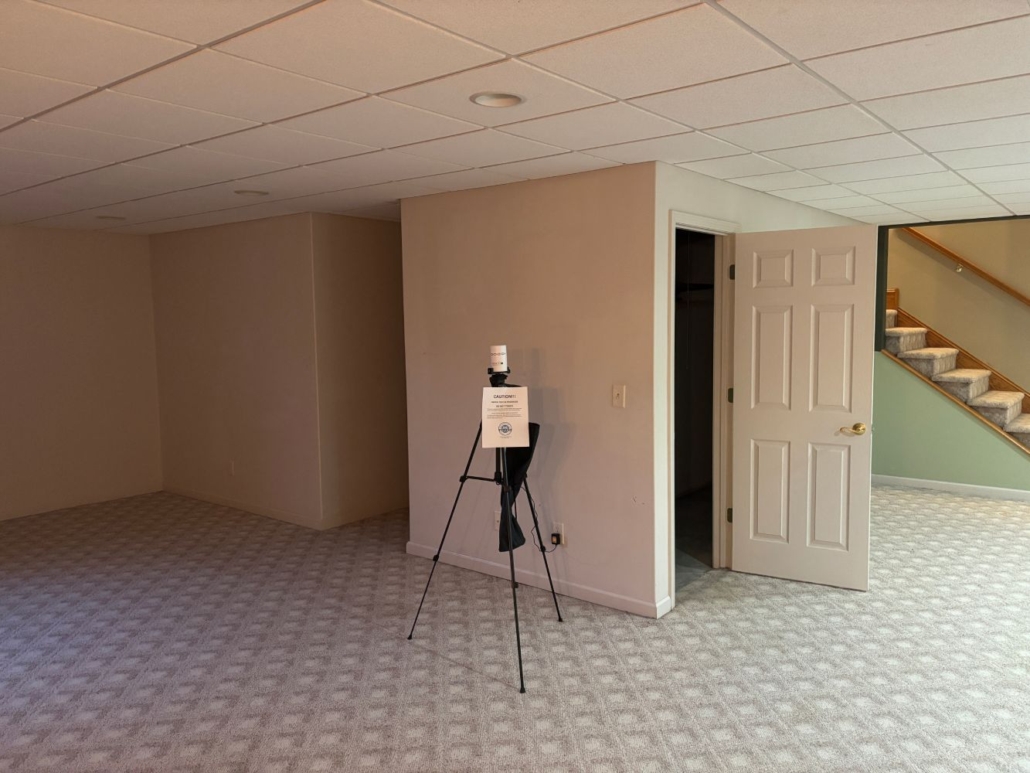
A radon test is one of those items that can feel minor right up until the results come back high. Then it quickly becomes a health issue, a negotiation issue, and sometimes a financing issue. If you are asking who pays for radon testing, the honest answer is that there is no single rule. In most real estate transactions, the buyer usually pays for the initial test, but the final answer depends on your contract, your market, and how the deal is being negotiated.
Who pays for radon testing in most home sales?
In a typical home purchase, the buyer pays for radon testing as part of the inspection period. That is because the test is usually ordered alongside the home inspection and serves the buyer’s due diligence. The buyer is the one deciding whether to move forward, ask for repairs, request a credit, or walk away if the results raise concerns.
From a practical standpoint, this setup makes sense. Buyers often choose the inspector, schedule the testing, and want independent results they can rely on. If the test is being performed to help the buyer understand the property’s condition before closing, it is usually treated like any other inspection expense.
That said, “usually” is not the same as “always.” Real estate deals are flexible, and radon testing can be handled differently when the seller wants to remove uncertainty early, when a buyer requests concessions, or when local customs shape how costs are split.
Why buyers often pay first
The initial radon test is generally considered an investigative step. Buyers pay for general inspections, specialized inspections, sewer scoping, mold assessments, and other services because those reports help them make an informed decision. Radon testing fits that same pattern.
It also protects the buyer’s independence. When a buyer hires the inspection company directly, the reporting relationship is clear. The results are delivered to the client who ordered the service, and the buyer can use that information in negotiations with confidence.
For first-time buyers, this can feel frustrating. After paying for an appraisal, earnest money, inspections, and loan costs, one more fee is not exactly welcome. But the cost of a radon test is small compared to the cost of buying a house with a hidden issue that later requires mitigation.
When sellers pay for radon testing
There are situations where a seller covers the cost instead. Sometimes the seller orders radon testing before listing the home to identify issues early and avoid surprises under contract. This can be useful when a seller wants a smoother transaction or wants to show buyers that the property has already been evaluated.
In some cases, the seller agrees to pay because the buyer asks for it during negotiations. This is more likely in a slower market or when the seller is motivated to keep the deal moving. A seller might also offer to cover testing if a prior test was inconclusive, if the first result is being questioned, or if a lender or relocation company wants additional documentation.
There is also a strategic reason some sellers pay. If the property has already been tested and the results are acceptable, that information can reduce buyer hesitation. It does not guarantee every buyer will skip a new test, but it can make the conversation easier.
What happens if the radon level is high?
This is where the bigger financial question starts. The cost of testing is one thing. The cost of addressing elevated radon is another.
If a radon test shows levels above the EPA action level of 4.0 pCi/L, the parties then have to decide who will pay for mitigation or whether a credit will be given at closing. In many transactions, the seller pays for mitigation because the problem is tied to the property and the buyer does not want to inherit a known health concern without compensation.
But again, there is no universal rule. The seller might pay for a mitigation system to be installed before closing. The seller might offer a credit instead. The buyer might accept the property as-is in exchange for a lower sale price or another concession. The outcome depends on leverage, timing, and how badly each side wants the deal to stay together.
Contract terms matter more than assumptions
A lot of confusion around who pays for radon testing comes from assumptions. Buyers assume the seller should pay because radon is a property issue. Sellers assume the buyer should pay because testing is part of the buyer’s inspection process. Both views can make sense, which is why the contract matters more than anyone’s guess.
Your purchase agreement may address inspections broadly or may spell out environmental testing more directly. Addenda, repair request deadlines, and financing conditions can also shape how radon-related costs are handled. If the contract is silent, then it usually comes down to negotiation.
That is why it is smart to settle the question early instead of after the test is ordered. A short conversation before scheduling can prevent a lot of avoidable friction later.
How agents typically handle the issue
Experienced real estate agents usually treat radon testing as part of the buyer’s inspection package unless the seller has already agreed otherwise. This keeps the process simple. The buyer orders the services they want, the testing gets completed during the contingency period, and the parties negotiate next steps based on the results.
If there is concern about fairness, agents often focus on the distinction between testing and correction. Testing is the buyer’s cost to investigate. Mitigation, if needed, is often the seller’s cost to resolve or negotiate around. That is not a law, but it is a practical framework that many transactions follow.
This matters in Southern Illinois, where buyers and sellers may be working on tight timelines and trying to coordinate inspections, loan milestones, and repair discussions without delaying closing. Clear expectations save time.
Should buyers accept a seller’s radon test?
Sometimes yes, but with caution. A seller-provided radon report can be helpful, especially if it is recent, performed by a qualified professional, and documented clearly. It may indicate there is no issue, or it may show that a mitigation system is already doing its job.
Even so, many buyers still choose to order their own test during the inspection period. That is not necessarily a sign of distrust. Radon levels can vary with weather, season, ventilation habits, and testing conditions. A buyer making a major investment may want independent confirmation.
This is especially true for out-of-state buyers or anyone who will not be present at the property during the inspection. Reliable digital reporting, clear communication, and properly documented test conditions make a real difference when decisions are being made from a distance.
New construction and commercial deals can be different
In new construction, the builder may agree to testing as part of the sale, especially if radon-resistant features were installed or if local expectations make testing part of the process. In commercial transactions, the cost allocation is even more negotiable. Buyers, sellers, investors, and attorneys often sort out environmental testing responsibilities in much more customized terms.
That is why broad advice has limits. A single-family home purchase often follows common patterns. A multi-unit property, mixed-use building, or investment purchase may not.
A fair way to think about who pays for radon testing
If you want the simplest answer, think of it this way: the person asking for the information usually pays for the initial test, and the person responsible for keeping the deal alive often pays for the solution.
That is not a rulebook. It is just a practical way to understand how many transactions work. The buyer wants information before committing, so the buyer often pays for testing. If the results reveal elevated radon and the seller wants to avoid losing the sale, the seller often pays for mitigation or offers a credit.
Of course, markets shift. In a strong seller’s market, buyers may absorb more costs. In a slower market, sellers may cover more to keep the property competitive. Neither outcome is unusual.
The real goal is clarity, not winning one fee
It is easy to get stuck on the testing fee itself, but the larger issue is making a sound decision with clear information. Radon is odorless, invisible, and impossible to judge without proper testing. Whether the buyer pays, the seller pays, or the parties split the cost, the test has value because it gives everyone something solid to work from.
A dependable inspection company can make that process easier by handling scheduling, following proper test protocols, and delivering results in a report that is easy to understand. That matters when the stakes are high and the clock is ticking.
If you are buying or selling a property, the best move is to settle the cost question early, get the test done correctly, and focus on the result instead of arguing over a relatively small line item. Peace of mind is usually worth far more than the fee.


Leave a Reply
Want to join the discussion?Feel free to contribute!